Minister Says Broken Election Promises Are Not Misinformation as €1.1 Million Allocated to Combat False Information
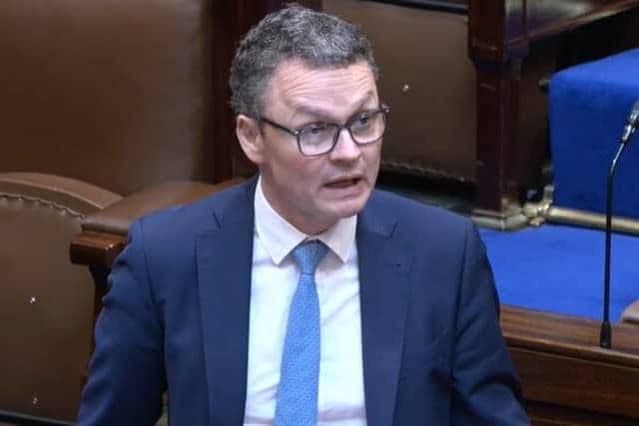
Pic: Credit - Limerick Leader
Asked whether Fine Gael's previous commitment to abolish the Universal Social Charge (USC) could constitute misinformation, O’Donovan responded: “I know you probably would… but I wouldn’t.”
The Minister argued that coalition negotiations inevitably require political parties to compromise on manifesto commitments.
However, the exchange raises a wider question about consistency and accountability: who decides what constitutes misinformation, and should politicians be subject to the same standards as ordinary citizens?
Scallan highlighted Fine Gael's 2016 election pledge, when Simon Harris described abolishing the USC as an “absolute commitment”. Harris has since acknowledged that the tax will remain, citing the substantial revenue it generates.
The controversy comes amid continuing debate over political speech, online fact-checking and the boundaries of government-supported disinformation initiatives.
The central issue is whether efforts to combat misinformation can command public confidence if political statements are treated differently from those made by the wider public.